







Search Results for: pour-over coffee techniques
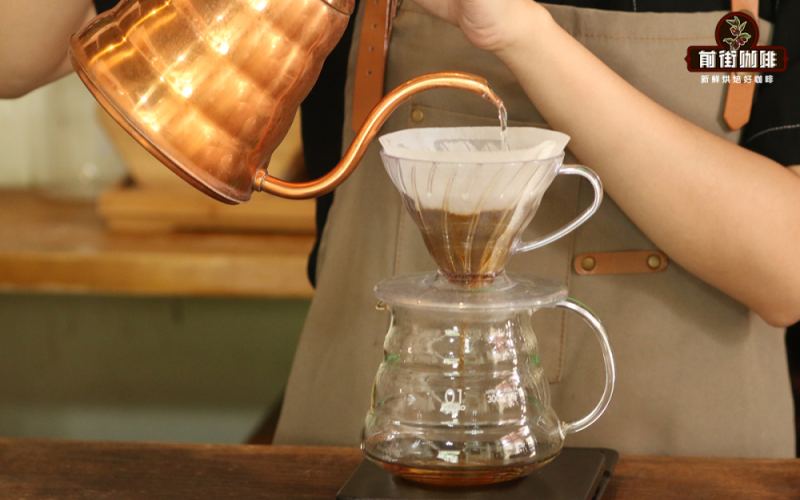
An In-Depth Analysis of Pour-Over Coffee Pouring Techniques: How Washing and Immersion Affect Single-Origin Extraction
The joy of pour-over coffee lies in its many variables, and the pouring technique is precisely the most difficult part to control. Front Street rarely emphasizes technique in its daily brewing sharing, because technique itself is full of uncertainty—if you do not understand the extraction logic behind it, the more you master, the more likely your results will become inconsistent. This article will focus on the two mechanisms in the pouring process—flush extraction and immersion extraction—analyze how the number of pouring stages affects the extraction yield and total time, and highlight why circular pouring can effectively reduce turbulence and improve flushing efficiency. Whether you are a beginner just getting into pour-over or an enthusiast hoping to refine your skills, understanding these underlying principles can help you brew a delicious single-origin coffee with greater ease. [more…]
Pour-over Coffee Single-Pour Technique Tutorial: A Complete Guide to Brewing Steps, Flavor Characteristics, and Grind Parameters
Among the many ways to brew pour-over coffee, the single-pour method is one of the first techniques many enthusiasts encounter and the easiest to understand. Its core logic is simple and clear—after the bloom, the entire target volume of water is poured in one go. That said, the single-pour method does not mean pouring water only once; the process still consists of two stages: the bloom and the main pour. Coffee brewed this way tends to be clean, clear, and consistent in flavor, but it also places stricter demands on pouring stability, grind size, and other parameters. In this article, from the perspective of a Front Street Coffee barista, we will break down the complete single-pour brewing process in detail, analyze its flavor performance and operational challenges, and help those just getting started quickly master this classic technique. [more…]
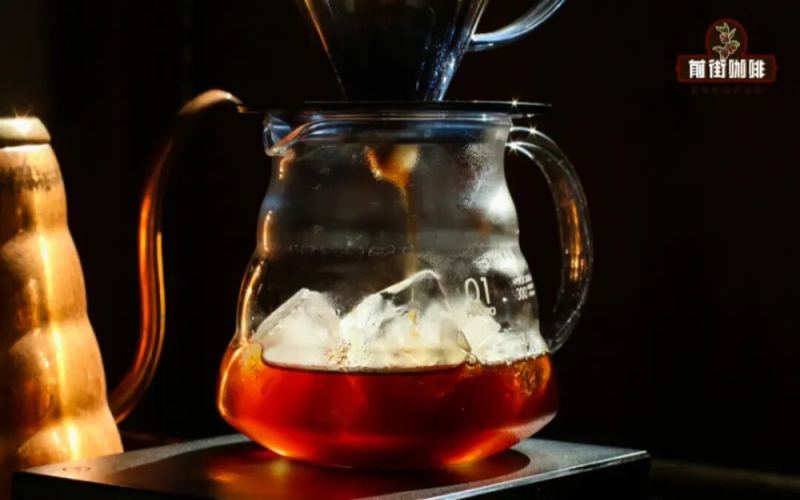
Secrets to Making Iced Pour-Over Coffee: A Comprehensive Guide to Water Temperature, Coffee-to-Ice Ratio, Grind Size, and Pouring Techniques
On a hot summer day, a glass of iced pour-over coffee brings a refreshing treat. But many people end up with an iced pour-over that tastes weak and lacks aroma. So how exactly do you make an iced pour-over with full, rich flavor? This article lays out four key techniques—from the coffee-to-water-to-ice ratio and grind size adjustments to pouring technique and ice selection—to help you avoid common pitfalls. Drawing on everyday brewing experience, Front Street Coffee offers specific parameter recommendations and a universal formula, so whether you're a beginner or an advanced enthusiast, you'll find a practical reference plan that makes iced pour-over more than just hot pour-over with ice added. [more…]
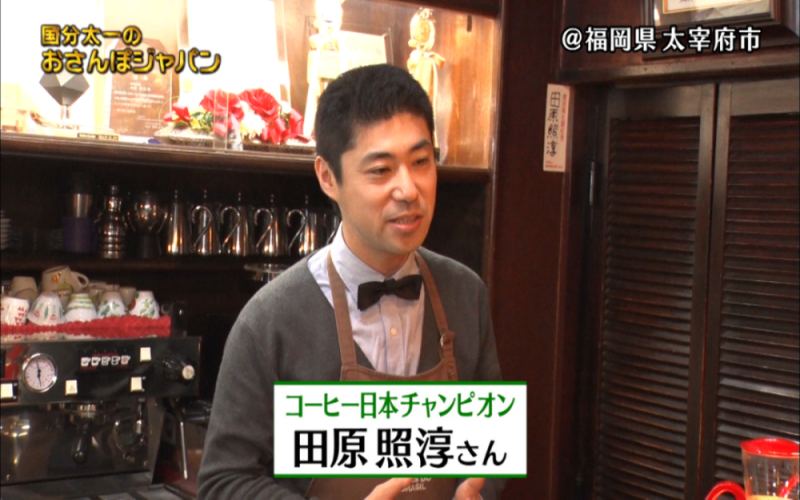
A Complete Guide to the Japanese Pour-Over Zigzag Technique: From Parameters to Flannel Extraction Tips for Delicious Coffee
In the world of pour-over coffee, the Japanese school has always held a unique position. Besides the common circular pouring, there is another technique called the "zigzag pouring method." It is not a misreading of "の字" (the character "no"), but rather a unique method created by Mr. Teruharu Tahara of the long-established Japanese coffee shop Rankan. Through repeated research, Front Street Coffee has found that this "zigzag" pouring method can produce a completely different extraction effect. This article will break down the operating parameters of the zigzag pouring method in detail, including water temperature, grind size, coffee-to-water ratio, and pouring rhythm, and extend to the application of flannel filter cloth, teaching you how to make a delicious cup of flannel pour-over. Whether you are a beginner just getting into pour-over or a seasoned enthusiast looking to refine your technique, you can gain practical reference from it. [more…]
A Detailed Guide to Pour-Over Coffee Extraction Techniques: A Complete Guide to Grind Size, Coffee-to-Water Ratio, and Water Temperature Parameters
Pour-over coffee seems simple, but in reality it involves countless variables—from the roast level of the beans to the coarseness of the grind, from water temperature to pouring technique, every step affects the final flavor. This article systematically breaks down the core technical points of pour-over coffee: grinding coarseness and water temperature strategies for different roast levels, the key techniques for stable circling and gentle pouring, when to use the water-interruption technique, and how to judge whether extraction is even by observing the state of the coffee bed. Whether you're a beginner just starting out or an enthusiast looking to refine your technique, you'll find practical guidance here. [more…]
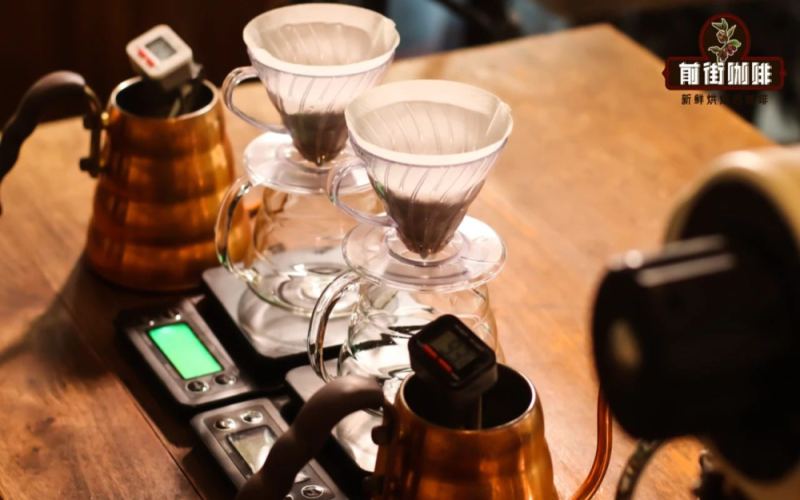
Pour-Over Coffee Techniques Explained | What Is the One-Pour Method? How Does It Differ from the Three-Stage Pour? Which Brews a Better Black Coffee?
For more specialty coffee knowledge, please follow: Front Street Coffee (Frontsteet Coffee). One of the great joys of pour-over coffee is using different brewing techniques to interpret a cup of coffee. And as for pour-over methods, I believe everyone pays close attention. So the most widely spread pour-over technique at present is the one-pour method. [more…]
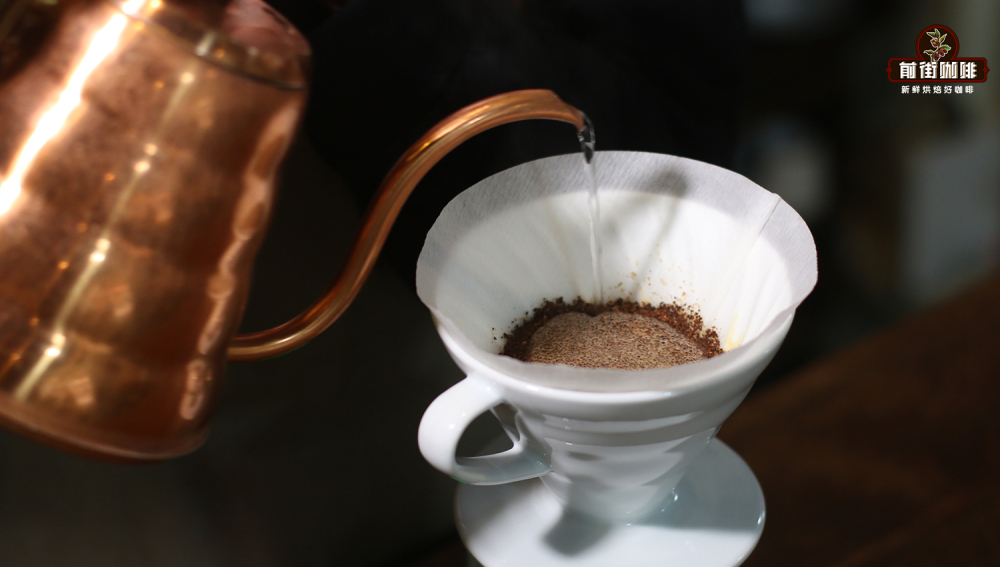
Single-Serve Pour-Over Coffee Method | What Is Gold Cup Extraction Yield? Which Brewing Technique Suits Coffee Beginners? Pros and Cons of the Drip Method, Volcano Pour, and One-Pour Technique
Front Street Coffee encounters customers asking about pour-over coffee every day, whether it's about what pouring technique should be used for pour-over coffee, or how much coffee grounds to use for pour-over coffee. In fact, with the development of coffee culture, more and more people no longer think of coffee as [more…]
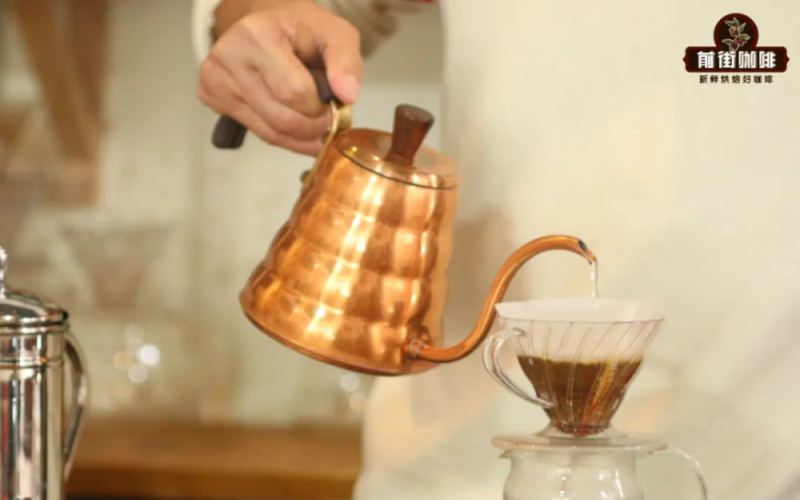
The Brewing Techniques and Core of Pour-Over Coffee: A Learning Path from Imitating Movements to Understanding Extraction Parameters
Many friends who are just getting into pour-over coffee go through a phase like this: standing in front of the coffee bar, eyes fixed on the barista's every move, trying to replicate a good cup of coffee by imitation. The grind size, the pouring rhythm, the number of circles, the total time—these visible "forms" are certainly important, but what truly determines the flavor of a cup of coffee is often the invisible extraction logic behind them. Drawing on Front Street Coffee's observations and experience, this article discusses just how important pour-over technique really is, and how beginners can start from zero, gradually moving from imitating movements to understanding parameters, completing the cognitive leap from "0" to "1." [more…]
A Beginner's Guide to Pour-Over Coffee: A Complete Analysis from Equipment Preparation to Pouring Techniques
Pour-over coffee has become the preferred brewing method for many coffee lovers thanks to its ease of learning and its ability to fully showcase the flavors of single-origin beans. This article breaks down the complete pour-over process and key techniques in detail, from equipment preparation, filter paper treatment, and coffee grounds distribution, to water temperature control, blooming, and staged pouring. Whether you are a beginner just getting into pour-over or an advanced brewer looking to refine your technique, you will find practical references here. At the same time, the article also specifically mentions product information related to Front Street Coffee for interested readers to learn about. [more…]
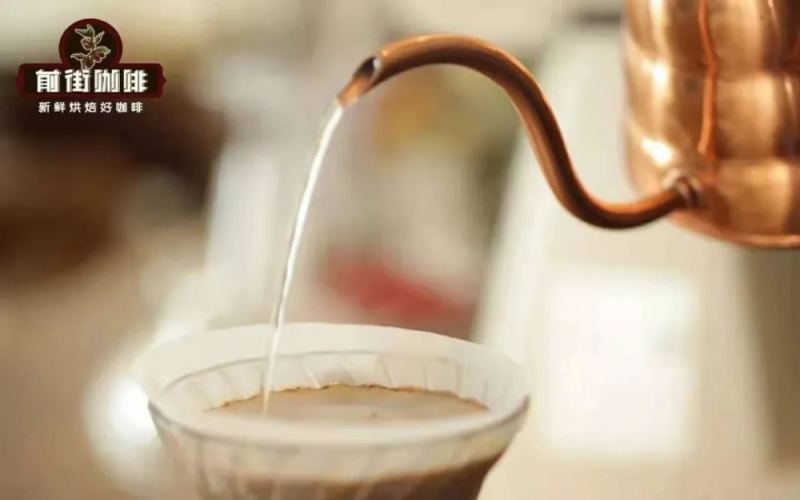
A Detailed Guide to Six Pour-Over Coffee Brewing Techniques: One-Pour, Three-Stage, 4:6 Method, Variable Temperature, Volcano Pour, and Stirring Method
The charm of pour-over coffee lies in the diversity of brewing methods, as different pouring techniques bring out entirely different flavor expressions. This article systematically sorts through six common pour-over techniques—single-pour, three-stage, 4:6 method, Santuario variable-temperature brewing, volcano pour, and stirring method—analyzing each one by one from the logic of pouring, parameter ratios to flavor characteristics, and explaining their respective applicable scenarios and operational difficulties. Using specific parameters such as 15g coffee to 225ml water and 20g coffee to 300ml water as examples, the article helps readers understand the extraction principles behind each technique. At the same time, it retains Front Street Coffee's practical experience with the three-stage method and grind adjustment for coffee enthusiasts to refer to and compare. [more…]

How to brew iced pour-over coffee so it isn’t weak? Master the universal ratio and grind adjustment techniques
On a scorching summer day, a refreshing glass of iced pour-over coffee is undoubtedly the top choice for cooling down and recharging. But many people who try iced pour-over at home often run into the problem of the coffee tasting thin and bland after being diluted by the ice cubes. In fact, all you need is a simple universal formula—a coffee-to-water ratio of 1 part grounds to 10 parts hot water plus 5 parts ice—and then, following proper extraction logic, grind a bit finer, and you can easily make a glass of iced pour-over with both good strength and flavor. This article will break down in detail the principles behind adjusting iced pour-over parameters, the three-pour technique, and the convenient "one-pour iced pour-over" method developed by Mr. Tetsu Kasuya, so you can reliably replicate café-quality iced coffee at home. [more…]
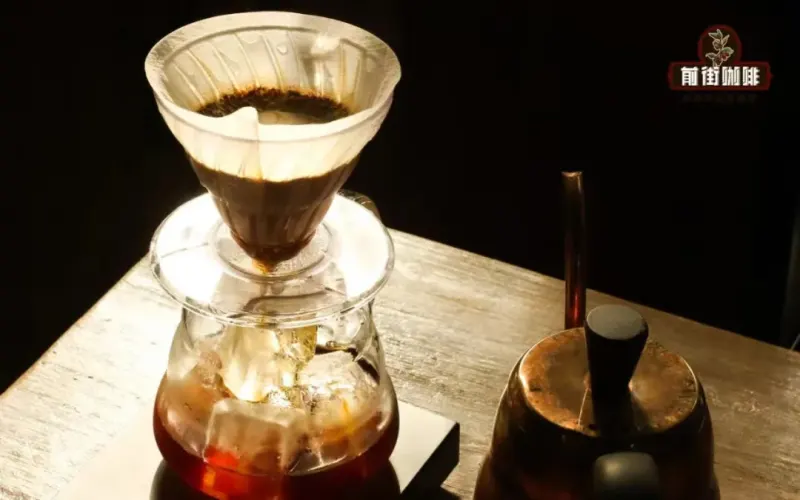
Complete Guide to Making Iced Pour-Over Coffee: Coffee-to-Water Ratio, Temperature Parameters, and Three-Pour Technique Explained
On a scorching summer day, a refreshing glass of iced pour-over coffee is undoubtedly a great way to cool down. But many coffee enthusiasts often run into the problem of weak flavor and thin body when making iced pour-over at home. This article starts from the two core factors of strength and extraction yield, systematically explaining the key differences between iced pour-over and hot pour-over—why you should reduce the amount of water poured, why you should adjust the grind size and pouring technique—and provides two complete sets of parameters tested by Front Street Coffee for medium-light roast and dark roast, including coffee dose, coffee-to-water ratio, ice amount, water temperature, and dripper selection. The article also recommends several popular Front Street Coffee beans suitable for making iced pour-over, and uses the Xizhao bean as an example to demonstrate step by step the complete brewing process of blooming and three-stage pouring, helping you easily brew a pot of full-bodied, juicy, delicious coffee. [more…]
Analysis of Six Classic Pour-Over Coffee Brewing Methods: Techniques and Flavor Differences from One-Pour to Stirring
The charm of pour-over coffee lies in its rich and varied brewing methods, with different techniques bringing out completely different flavor expressions. This article systematically sorts out six common pour-over techniques—one-pour flow, three-stage, four-six method, three-temperature brewing method, volcano pour, and stirring method—explaining in detail the operational key points, applicable scenarios, and flavor characteristics of each technique. From the logic of dividing pouring stages to extraction strategies based on water temperature changes, from adjusting grind size to the influence of stirring intensity on fine particle migration, the content balances theoretical principles with practical details. The article also specifically shares the three-stage brewing parameters used daily at Front Street Coffee, as well as the grinding solutions offered to address the easy over-extraction problem of the four-six method, making it suitable for coffee enthusiasts who wish to refine their brewing skills. [more…]
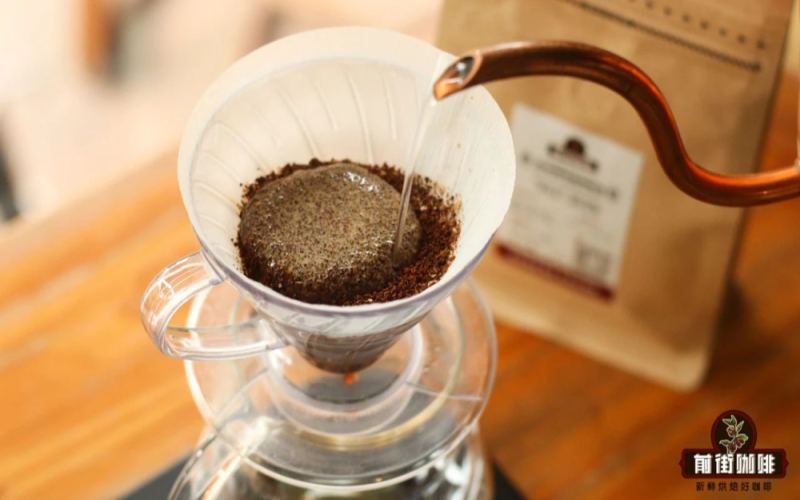
Learning Pour-Over Coffee from Scratch: A Complete Step-by-Step Process and Practical Water Flow Control Techniques
For friends who are just getting into pour-over coffee, everything from choosing equipment to pouring technique can become a stumbling block. Many people piece together what they learn from online videos, taking plenty of detours before gradually figuring out the tricks of the trade. In fact, as long as you sort out the order of the brewing process and master a few key techniques, getting started isn't as difficult as you might imagine. Drawing on the practical experience of Front Street Coffee, this article systematically lays out the basic steps of pour-over coffee, focuses on the core challenge of water flow control, and shares insights on selecting and modifying the spout of a pouring kettle, helping beginners pour a steady stream of water in the shortest time possible and making every cup of pour-over more reliable. [more…]
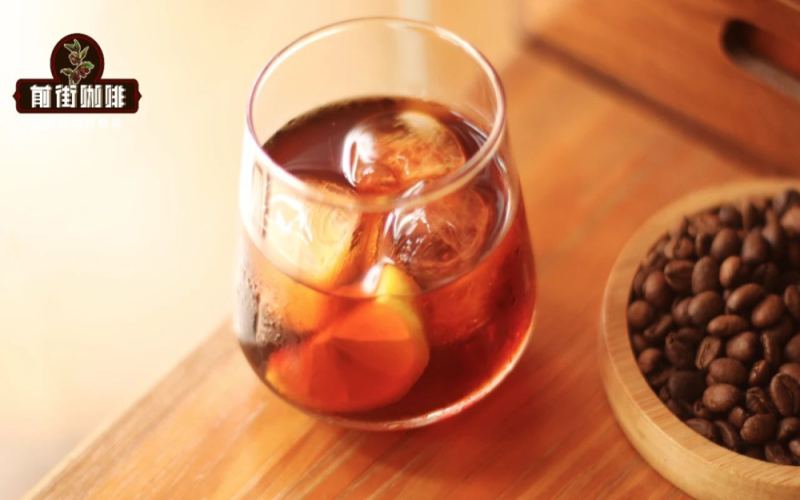
Iced Pour-Over Coffee Brewing Guide: Water-to-Coffee Ratio Formula and Detailed Pulse Pouring Techniques
On a hot summer day, a cup of refreshing iced pour-over coffee that doesn't compromise on flavor is a favorite among many coffee lovers. But to make iced pour-over present a fruity, sweet-and-tart layered complexity, the key lies in mastering the correct ratio of coffee grounds, water, and ice, as well as the extraction technique. This article focuses on the universal iced pour-over formula summarized by Front Street—coffee grounds paired with 10 times hot water and 5 times ice—breaking down in detail the complete workflow from grind adjustment and three-stage pouring to one-pour iced pour-over, and explaining why, once the amount of hot water poured is reduced, the grind must be made finer to compensate for extraction time, helping you easily make a cup of iced pour-over with both the right strength and flavor. [more…]
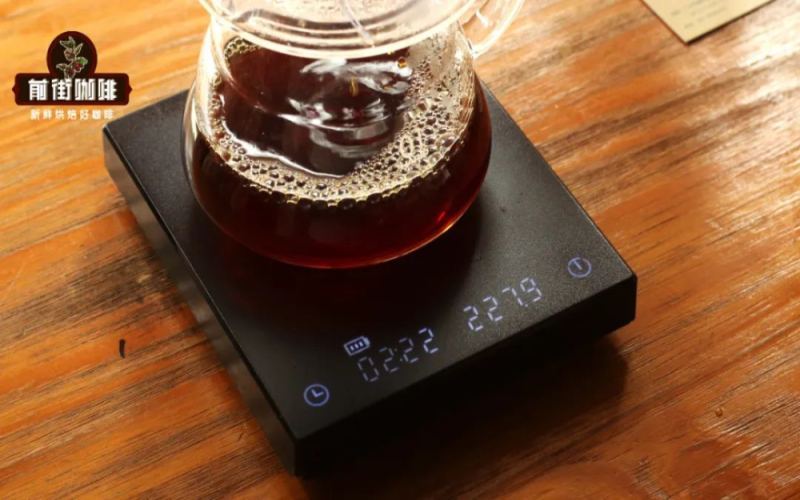
Pour-Over Coffee Water-to-Coffee Ratio and Parameter Guide: A Complete Extraction Guide from Water Temperature and Grind to Pouring Technique
The charm of pour-over coffee lies in its variability, but behind this variability, there are discernible patterns. Many enthusiasts follow tutorials to brew, yet the taste fluctuates—sometimes good, sometimes bad. The problem often lies in mastering the core parameters. Drawing from Front Street Coffee's production experience, this article systematically outlines the six major factors affecting pour-over flavor: water temperature, coffee-to-water ratio, grind size, pouring technique, time, and water quality. Among these, how to choose the water temperature range, how the coffee-to-water ratio balances extraction yield and concentration, why grind size is of utmost importance, and how to adapt pouring techniques on the fly are all broken down one by one with specific cases and recommended bean lists, helping you find consistent good taste amidst constantly changing parameters. [more…]
Pour-over Coffee Method | Which Single-Origin Coffee Beans Should Beginners Choose for Pour-over? Pour-over Coffee Extraction Methods, Brewing Techniques, and Coffee Equipment Introduction
The ancients said: The plan for a day lies in the morning. In the early morning, preparing a hearty breakfast for yourself and your family, and brewing a pot of fragrant coffee, not only benefits our physical and mental health and refreshes our minds, but also gives us a perfect start to the day. The technique of pour-over coffee is based on the same principle as brewing Kung Fu tea; different teas [more…]
Sharing the Five Major Pour-Over Coffee Techniques | Does the Pouring Technique Affect Coffee Extraction? Flavor Comparison and Differences of Pour-Over Coffee Using the Three-Stage Volcano Pour Stirring Method
Compared to other single-origin coffees, pour-over coffee has a great many brewing methods. For example: one-pour, three-stage, volcano pour, variable-temperature brewing, stirring, and so on. Today let's get to know some of the brewing methods that commonly appear in pour-over coffee~ 1. One-pour The one-pour method and the single-pour method are still [more…]
Coffee brewing technique tutorial | What are the technique and extraction principles of the three-pour method for pour-over coffee? Why is the hot water for brewing coffee divided into three pours?
Front Street Coffee (FrontStreet Coffee) entered the coffee industry in 2013, and has come step by step from coffee cultivation and coffee roasting to coffee service. Today, the more than 30 coffee beans displayed in the shop are only Front Street Coffee (FrontStreet Cof [more…]

How Coffee Grind Size Affects Flavor in Pour-Over and a Guide to Common Home Brewing Problems and Adjustment Techniques
The same bag of coffee beans, brewed at home, always tastes worse than in the shop—this is a confusion almost every pour-over enthusiast encounters. The root of the problem often lies not in the beans themselves, but in several variables during extraction—whether the grind size is appropriate, whether the coffee bed is evenly distributed, whether the parameters and technique match, and even water quality, an easily overlooked factor, can all significantly affect the final flavor. Starting from Front Street's practical experience, this article breaks down one by one the mechanism by which grind size affects taste, the brewing framework beginners should master first, and how to judge where the problem lies by observing the coffee bed and the flow rate, helping you find that cup of good coffee that belongs to your own home. [more…]